1. Can a private investigator help prove infidelity?
Yes. A licensed PI can gather admissible evidence, including video, photos, and social media findings, while operating discreetly so the subject isn’t alerted. This evidence can hold up in court if your situation leads to legal proceedings.
2. What does a background check from a private investigator include?
PI background checks go well beyond standard online searches. They examine reputation, relevant history, financial concerns, prior litigation, bankruptcy, regulatory issues, and potential conflicts of interest. This makes them useful for hiring decisions, partnerships, or vetting someone in your personal life.
3. Are private investigators allowed to do anything to get information?
No. Licensed PIs operate within strict legal boundaries. They cannot wiretap, record private conversations without consent, impersonate others, trespass, or harass. Hiring a licensed investigator ensures evidence is gathered legally and remains admissible in court.
4. Why should I hire a licensed private investigator instead of investigating on my own?
A licensed PI has access to databases, surveillance techniques, and investigative resources the public doesn’t, and they know how to gather evidence legally. DIY attempts often alert the subject, violate privacy laws, or produce evidence that can’t be used in court, which can hurt your case rather than help it.
5. How can a private investigator help locate someone for a legal case?
Investigators use specialized databases and skip tracing techniques that most law firms don’t have direct access to. This makes them effective at locating witnesses, heirs, defendants, or anyone who needs to be served or questioned as part of a case.
6. Can a private investigator find hidden assets?
Yes. Asset investigations are commonly used in alimony, divorce, business disputes, and judgment enforcement cases. Investigators can help uncover hard assets like cars, boats, airplanes, and property, all while staying compliant with laws such as the GLBA.
7. What does digital forensics involve, and when is it useful?
Digital forensics is used in cases involving suspected infidelity, cybercrime, compromised devices, fraud, or proving innocence or guilt. Professional investigators use industry-grade extraction tools comparable to Axiom and Cellebrite, which are far more reliable than the low-cost or DIY options found online.
8. What is accident or incident reconstruction, and how does it support a case?
Investigators analyze evidence to recreate the scene of a car accident, homicide, or other incident. Small details like debris, weather conditions, blood samples, or ejected objects can reveal what actually happened, often uncovering facts that change the direction of a case.
11. Do private investigators have the same authority as police officers?
No. PIs cannot make arrests or enforce the law. They work alongside police by gathering information and evidence, but apprehending suspects and exercising legal authority remains the role of law enforcement.
12. How do private investigators support police in active investigations?
PIs assist by dedicating focused time and resources to individual cases, which overwhelmed police departments often can’t. They conduct surveillance, interview witnesses, track leads, and contribute specialized expertise in areas like digital forensics, financial tracing, and undercover work.
13. What tools and resources do private investigators use that aid investigations?
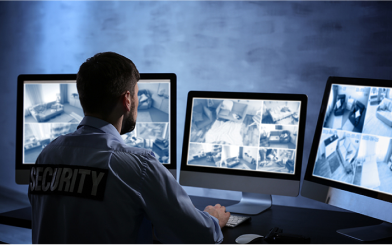
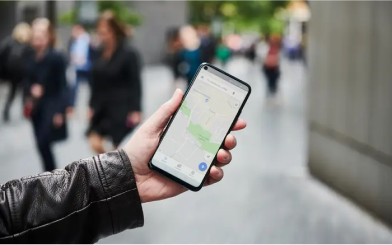
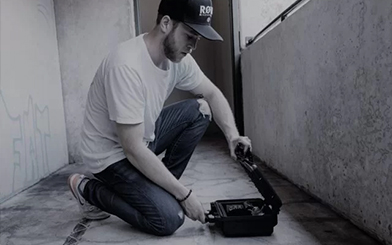
PIs use drones for aerial surveillance, GPS trackers to monitor movement, and covert surveillance techniques to gather evidence discreetly. They also tap into public records and private databases that provide detailed background, financial, and contact information often unavailable through standard searches.
14. What types of cases do private investigators commonly work on alongside police?
PIs frequently contribute to missing persons cases, fraud investigations, and corporate espionage matters. Their ability to work independently, trace financial activity, and operate discreetly makes them particularly effective in cases that require persistent, detailed legwork.
15. Are private investigators required to share their findings with law enforcement?
No. PIs are hired by you and your case stays confidential. They aren’t legally obligated to report their findings or share information with police unless specific state laws require it, which means the details of your investigation remain protected throughout the process.
16. How can a private investigator help someone who has been falsely accused?
A PI can independently collect photos, videos, audio, and witness statements that support the accused person’s side of the story. They can also serve as expert witnesses at trial if needed, giving the accused added resources and a stronger position than relying on the prosecution’s version of events alone.
17. How is hiring a private investigator different from relying solely on police?
Police departments juggle many cases at once and operate within strict budgets and procedural rules. A PI works exclusively on your case, with more flexibility to spend time on interviews, public records, and surveillance. This dedicated focus often uncovers details that overstretched law enforcement may not have the bandwidth to pursue.
18. What questions should you ask a private investigator before hiring one?
Before hiring a private investigator, ask to see their state license, and ask about their qualifications, experience, and area of specialization. You should also confirm they carry insurance, request testimonials or references, discuss pricing and retainer fees, and review the contract carefully before signing.